The MOU process for Myanmar, Lao, Cambodian, and Vietnamese workers
The MOU channel is the only legal route to hire a Burmese, Lao, Cambodian or Vietnamese domestic worker in Thailand. It runs in five stages through the Department of Employment. An employer who deals directly pays about 3,700 to 4,200 baht per worker in official fees. By law the employer pays, not the worker.

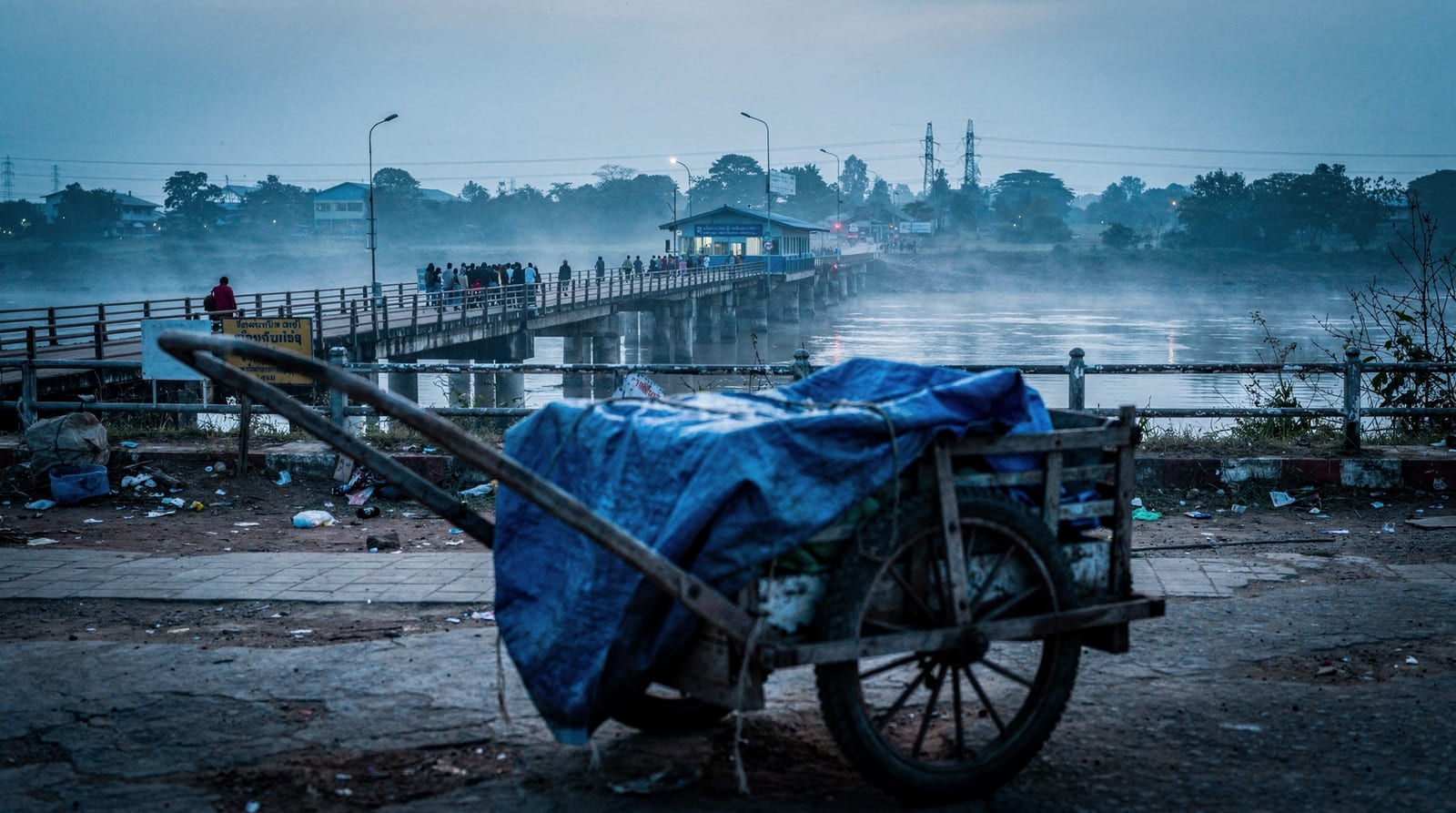
The bullet answer. The MOU (Memorandum of Understanding) framework is the state-to-state labour channel between Thailand and each of Myanmar, Laos, Cambodia, and Vietnam. It is the only legal route for low-skilled and domestic foreign labour, including household maids, nannies, and carers. The process runs in five stages, from an employer demand letter at the Department of Employment to a residence notification after arrival. The work permit is valid for two years and is renewable. An employer who deals directly pays about ฿3,700–฿4,200 per worker in official fees.
Why the MOU channel exists, and why it matters to you
Burmese, Lao, Cambodian, and Vietnamese workers cannot apply for an ordinary Thai work permit on their own. They have to be channelled through their government's labour ministry, partnered with a Thai-licensed recipient agency, and arrive through designated checkpoints. That is the MOU channel, and for low-skilled and domestic work it is the only legal one.
One point that is often stated wrongly: household and domestic work is not a prohibited occupation in Thailand. Cabinet Resolutions explicitly permit MOU-nationality workers to do domestic work. The constraint on a foreign maid is the MOU and work-permit framework itself, not an occupational ban.
For employers, the MOU channel matters for one reason: every legal Burmese, Lao, Cambodian, or Vietnamese maid in Thailand has been through it. If she has not, she is undocumented, and the employer is liable under the Royal Ordinance on the Management of Employment of Foreign Workers for ฿10,000–฿100,000 per worker on a first offence, rising to up to one year in prison and/or ฿50,000–฿200,000 per worker plus a three-year hiring ban for a repeat offence.
The MOU process — five stages
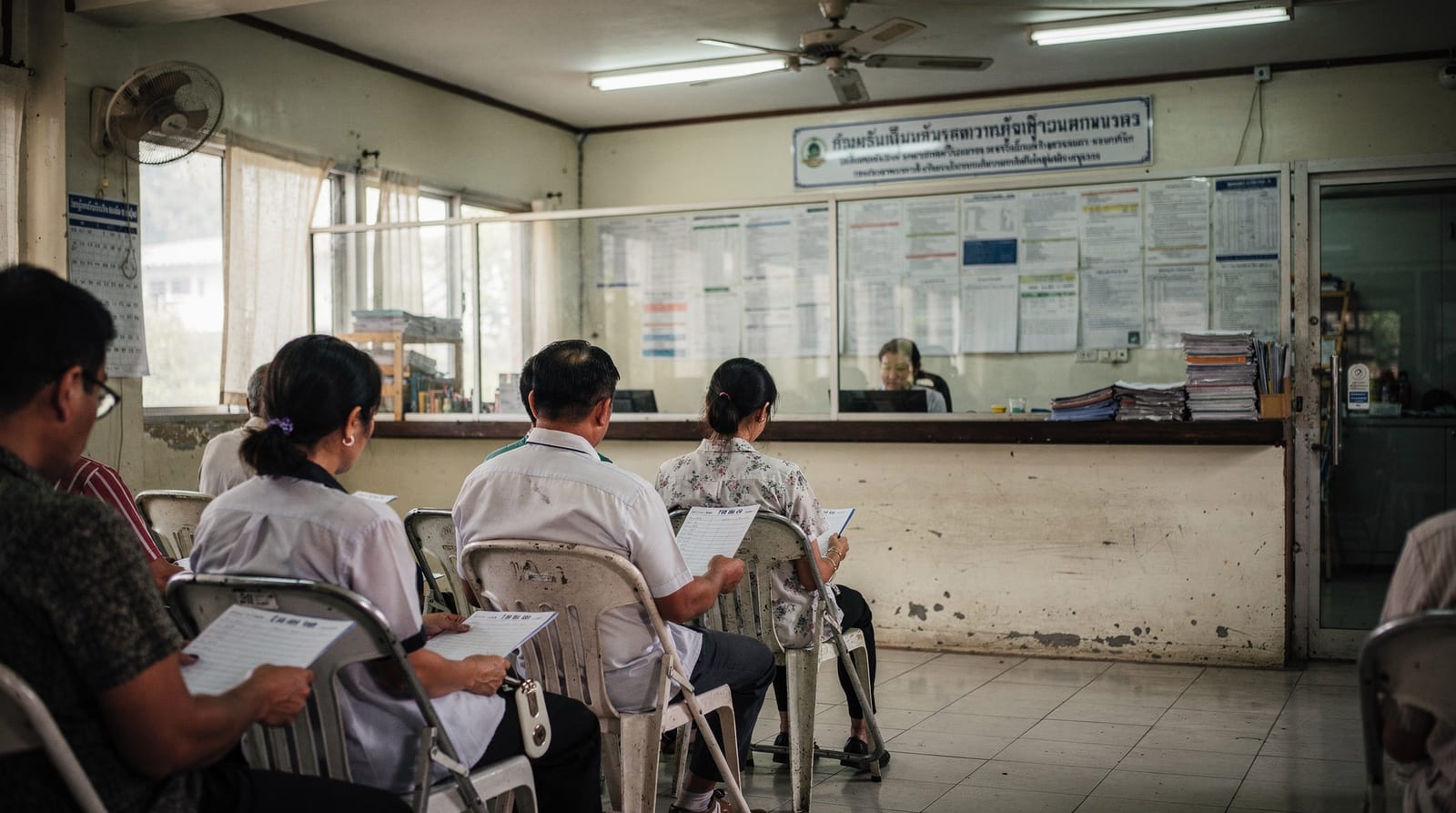
Stage 1 — Employer demand letter and quota
The employer files a demand letter and quota request at the local Provincial Employment Office, or the Bangkok Employment Office, of the Department of Employment (DOE). The filing specifies the role, the nationality, the number of workers, and the terms. For a household, the principal earner files in their own name.
Stage 2 — Name list from the origin country
The Department of Employment forwards the approved demand to the labour ministry of the origin country, which returns a name list of eligible workers through a licensed sending agency.
Stage 3 — Name-list submission and work-permit fee
The employer submits the name list to the Department of Employment and pays the work-permit fee. The worker then travels to Thailand and enters through a designated checkpoint.
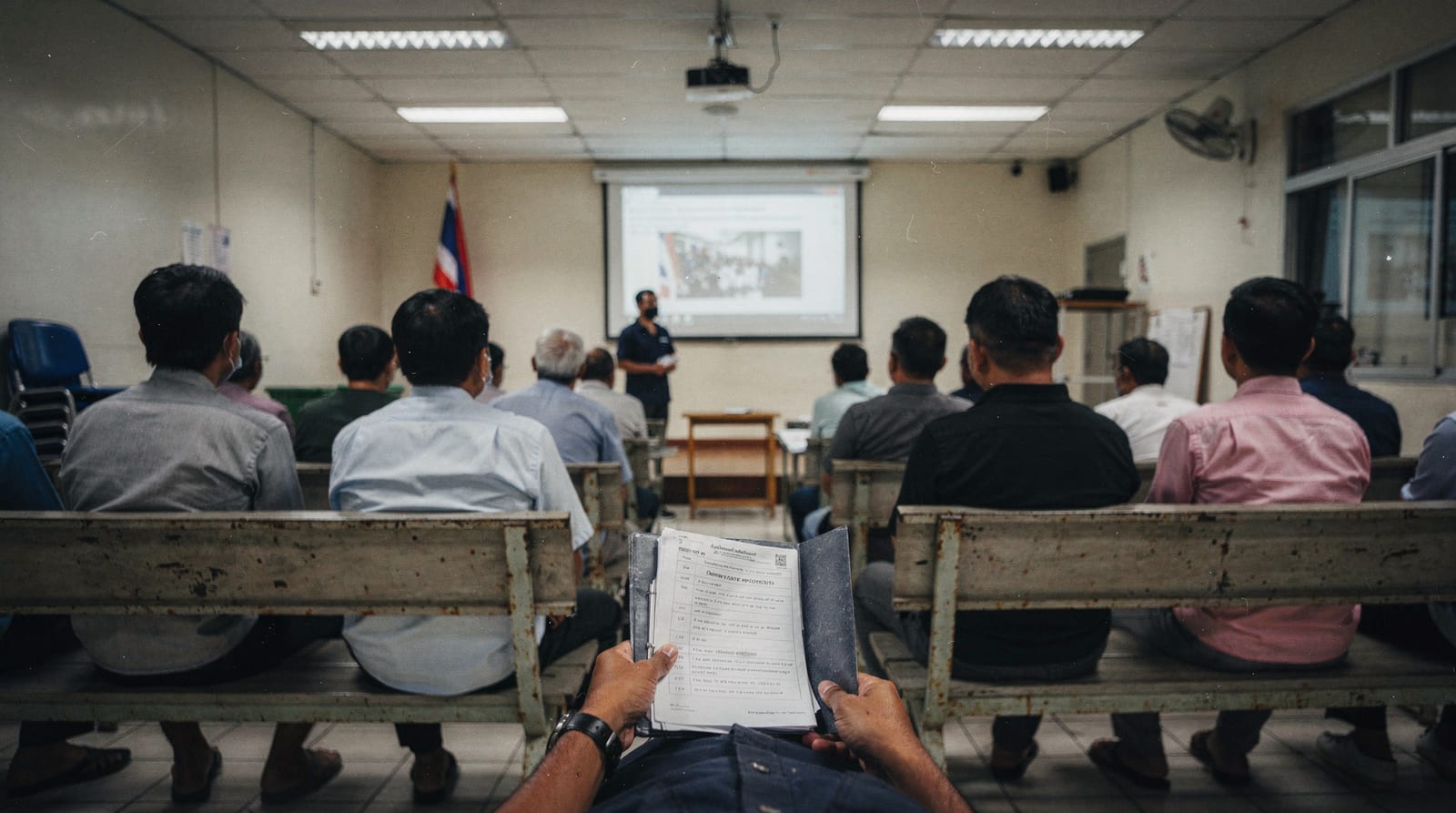
Stage 4 — Arrival, one-day orientation, e-work permit
On arrival the worker attends a one-day orientation at a Department of Employment reception centre and is issued the work permit, valid for two years. As of 13 October 2025 the permit is issued through the e-work permit system; see the section below.
Stage 5 — Residence notification
The employer notifies the Immigration Bureau of the worker's residence within 15 days of arrival.
Source: IOM Thailand Labour Migration Profile, March 2025; DOE-aligned employer guidance.
The e-work permit — mandatory since October 2025
Since 13 October 2025 the e-work permit, filed at eworkpermit.doe.go.th with the ThaiID app, has been mandatory. Everything now flows through the system: new applications, renewals, cancellations, amendments, and registrations, for skilled and MOU workers alike, including domestic workers.
A grace period that still allows manual paper submission runs until 28 July 2026, and only for cases affected by a technical fault. This deadline replaced earlier rolling deadlines; do not rely on any older cut-off date you may have seen.
The official direct-employer cost
An employer who deals directly with the Department of Employment, without a broker mark-up, pays roughly ฿3,700–฿4,200 per worker in official fees.
| Item | Official fee |
|---|---|
| Visa | ~฿500 |
| Stay fee | ~฿500 |
| Work permit | ~฿1,450 |
| Pink Card | ~฿60 |
| Health insurance | ~฿990–฿1,600 |
| Medical check | ~฿500 |
| Total per worker | ~฿3,700–฿4,200 |
Source: synthesised official MOU fee schedule, per the IOM Thailand Labour Migration Profile (March 2025) and DOE-aligned employer guidance. The Pink Card is tied to permit validity, not a standalone long-term card.
Who must pay — and the gap between law and reality. By law the employer must bear the recruitment and service costs. A worker may be charged only for their passport, medical check, and work-permit fees, at fixed government rates. Charging a worker more is prohibited under Section 49 of the Royal Ordinance on the Management of Employment of Foreign Workers B.E. 2560 (as amended), with a penalty of up to six months in prison and/or a fine of twice the sum unlawfully collected.
The honest reality is that this cap is widely breached. In the Myanmar corridor, workers have actually paid USD 465–1,045, with a mean of about USD 730, far above the legal cap. Some Thai employers profit by selling demand letters. Asking the agency to itemise every fee, and confirming in writing that nothing will be deducted from the worker's wages beyond the fixed government charges, is the single most important due-diligence step for an employer.
Renewal and the permit cycle
The MOU work permit is issued for two years and is renewable. Under the Cabinet Resolution of 24 September 2024, the permits of the four MOU nationalities were extended to 13 February 2027 and are renewable to 13 February 2029.
The canonical permit cycle is a two-year permit, renewable once, to a four-year maximum, after which the worker returns to the origin country for a cooling-off period before re-entering on a fresh MOU. In practice most workers return for the required window and re-enter under a new contract with the same employer.
If you are a worker reading this
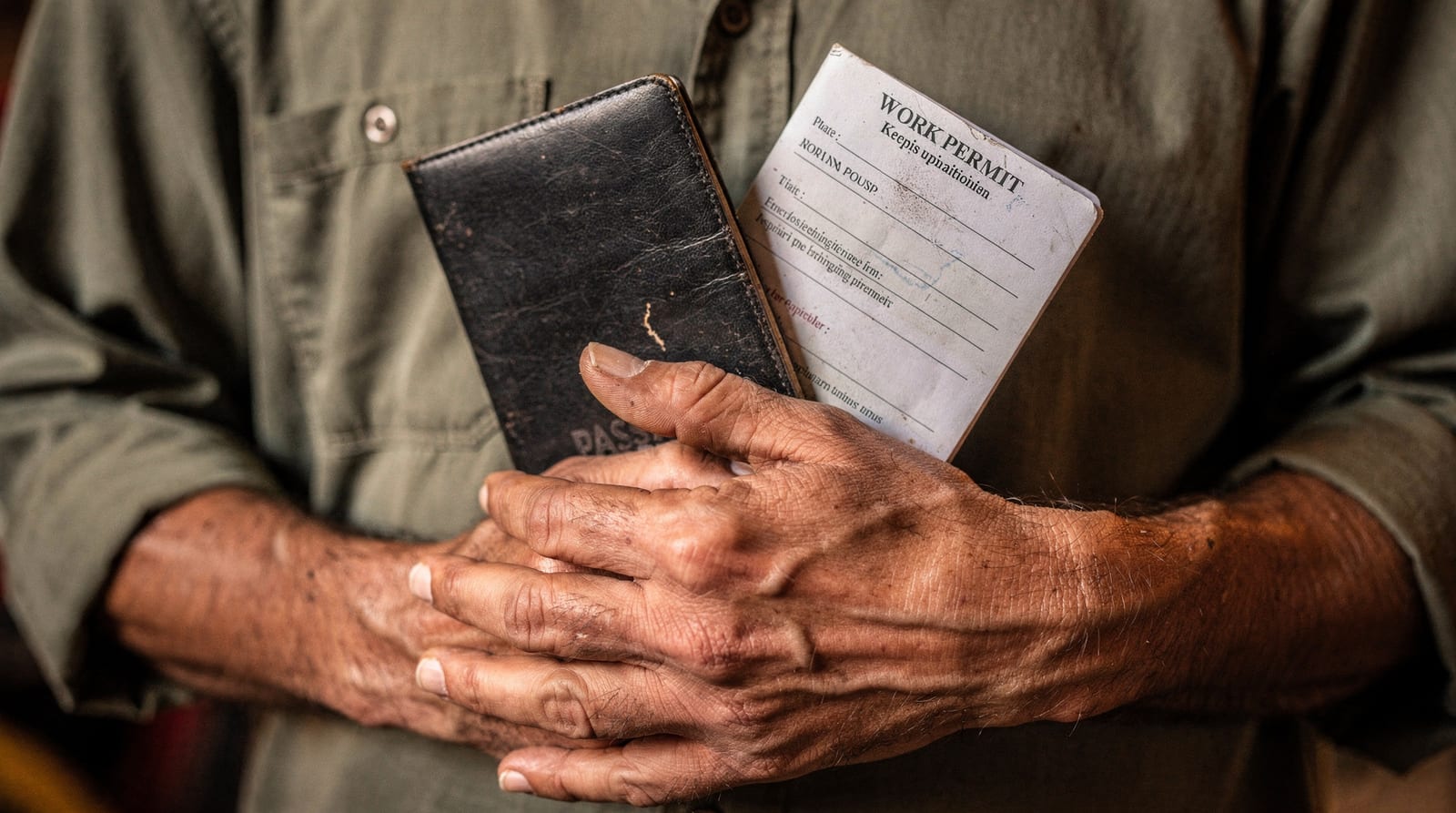
The protections worker-rights organisations stress before a worker signs a contract:
- Keep your own original passport. If an agency demands to hold it, walk away.
- Get the contract in your own language. Under MR 15 you are entitled to a written contract.
- Photograph every page of every document: your passport, your visa, your work permit, your contract, your medical card. Send copies to family.
- You should be charged only for your passport, your medical check, and the fixed work-permit fees. Anyone charging you more, or deducting a "broker fee" or "training fee" from your wages, is breaking the law.
- Save the number of a labour-rights hotline on your phone before you arrive. See our NGO and hotline directory.
maidthailand.com is free for workers. We never ask workers for money. Anyone who asks you to pay for a job through us is a scam.
Employer checklist
- Choose a recipient agency that is licensed, with a Ministry of Labour licence number on its company registration document.
- Ask for the itemised cost breakdown and compare it to the official figures above. Expect roughly ฿3,700–฿4,200 in official fees per worker.
- Confirm in writing that recruitment and service costs are your obligation, not the worker's, and that nothing beyond the fixed government charges will be deducted from her wages.
- Confirm the worker will arrive through a designated MOU checkpoint and be registered through the e-work permit system.
- Ask to see a sample MR 15-compliant employment contract before paying any deposit.
- Notify the Immigration Bureau of the worker's residence within 15 days of arrival, and keep the worker's own documents in her possession.
Frequently asked questions
Which nationalities can be hired as domestic workers under the MOU channel?
How much does the MOU process cost an employer who deals directly?
Who is legally required to pay the recruitment fees?
Is the e-work permit mandatory now?
How long is the MOU work permit valid?
Primary sources
- Royal Ordinance on the Management of Employment of Foreign Workers B.E. 2560 (2017), as amended by Decree No. 2 B.E. 2561 (2018), Sections 49, 101–102
- Notification of the Ministry of Labour / Department of Employment on restricted occupations; Cabinet Resolutions permitting MOU-nationality domestic work
- IOM Thailand Labour Migration Profile, March 2025
- Five Corridors Project — Myanmar–Thailand recruitment costs
- Cabinet Resolution of 24 September 2024 (MOU permit extension); Department of Employment e-work permit notifications (eworkpermit.doe.go.th)
Keep reading
Ministerial Regulation No. 15 (B.E. 2567), explained
Ministerial Regulation No. 15 (B.E. 2567) took effect 30 April 2024 under the Labour Protection Act B.E. 2541. It brought Thailand's domestic workers under minimum wage, a written contract, paid sick leave, a weekly rest day and paid public holidays. It did not grant social security or full overtime and severance rights.
What a work permit actually costs for a domestic worker in Thailand (2026)
The official cost stack for a direct-employer MOU domestic-worker permit is roughly ฿3,700 to ฿4,200 per worker: visa, permission-to-stay, work permit, Pink Card, health insurance and medical check. The employer pays by law. In the Myanmar corridor workers pay brokers USD 465 to 1,045, four to nine times the legal cap.
Can a Filipino legally work as a maid in Thailand?
A Filipino cannot be lawfully hired by a private Thai household as a maid. Thailand admits domestic foreign labour only through MOUs with Myanmar, Laos, Cambodia and Vietnam, and the Philippines has none. The Philippine side also bans direct hiring of domestic workers. The common visa workarounds are illegal.